Expired Status Guide - Dec 2025
What Happens If My Status Expires in Canada? A 2025 Emergency Guide
When your status expires in Canada, the consequences go beyond missing a deadline. Being out of status Canada can disrupt your ability to work, study, or access health services—and 2025 brings stricter IRCC enforcement. This guide breaks down what expired status Canada 2025 means for you and how the 90-day rule IRCC affects your chance to restore status Canada before it's too late.
Introduction: Understanding Expired Status
Staying in Canada with expired status isn't just a minor problem—it's a situation that demands urgent action.
Consequences of Expired Status
Expired status puts you in a vulnerable position. You lose legal protection and access to essential services. Without valid status, you can't work legally, continue your studies, or access public healthcare. Many people don't realize that status expired Canada means you're technically breaking immigration rules every day you remain.
Your bank accounts might be restricted. Landlords may refuse to renew your lease. Employers will turn you away when they discover your situation. The stress builds as you try to live normally while knowing you're not supposed to be in the country.
The clock starts ticking from the moment your permit expires. Each passing day makes your situation more difficult to fix and adds to the record immigration officers will review in future applications.
2025 IRCC Enforcement Focus
In 2025, IRCC is ramping up enforcement actions against those with expired status. The days of lenient treatment are ending. New tracking systems flag expired permits automatically, making it harder to stay under the radar.
IRCC has increased staffing in compliance departments. Border officers now have expanded powers to question and detain those who've overstayed. Digital systems link your status to your social insurance number, making unauthorized work nearly impossible without detection.
The government is also sharing information between departments more effectively. This means tax authorities, health services, and even educational institutions can quickly verify your status. The message is clear: Canada welcomes immigrants who follow the rules but is getting tougher on those who don't.
Defining Expired Status in Canada
Understanding exactly what "expired status" means helps you assess your situation accurately and take the right steps.
Visitor, Worker, Student Scenarios
For visitors, your status expires on the date stamped in your passport or shown on your visitor record. If you entered without a visa (as a visa-exempt visitor), you typically get six months from entry. Many visitors mistakenly think they can stay as long as they want—this isn't true.
Workers face serious problems when work permits expire. Your specific end date is printed on your work permit. Even if your employer wants to keep you, continuing to work after this date is illegal. Some workers think a pending renewal application means they can keep working—but this only applies if you applied before expiry.
Students must maintain valid study permits throughout their programs. Your permit typically includes a 90-day grace period after program completion. Many students get confused about when their actual status ends, especially if they finish courses early or take a break between semesters.
In all cases, the expiry date on your document is absolute. There's no automatic grace period unless you've applied for an extension before that date.
Implied vs. No Status
Implied status offers temporary protection while IRCC processes your renewal application. To qualify, you must apply to extend your stay before your current status expires. During this time, you maintain the same rights you had under your previous permit.
The key benefit: you can legally remain in Canada and continue your previous activities until IRCC decides on your new application. This means students can keep studying and workers can keep working at the same job.
No status means you have zero legal right to remain in Canada. This happens when your permit expires and you haven't applied for an extension beforehand. At this point, you're technically "out of status" and subject to removal from Canada.
The distinction is crucial. With implied status, you're following the rules. With no status, you're not. Many people confuse these concepts, thinking they have implied status when they actually don't—a dangerous misunderstanding that can have serious consequences.
Immediate Risks of Expired Status

The moment your status expires, you face both immediate and long-term risks that grow more serious with time.
Legal and Health Implications
Without legal status, you lose access to provincial health insurance immediately. Any medical care becomes fully out-of-pocket, with costs that can quickly reach thousands of dollars. Even a simple hospital visit for an emergency could leave you with crushing debt.
Your driver's license becomes invalid when your status expires. Driving with an invalid license means no insurance coverage if you're in an accident. Police checks during routine traffic stops can expose your status issues, leading to more serious problems.
Banks may freeze your accounts when they discover your expired status during routine verification checks. This can leave you without access to your money precisely when you need it most. Credit card companies might also cancel your cards, cutting off your financial lifelines.
The most direct risk is removal from Canada. Immigration officers have the authority to issue removal orders, which can ban you from returning to Canada for years—sometimes permanently.
Future Immigration Challenges
A record of staying in Canada with expired status creates a serious black mark on your immigration history. This history follows you in all future applications, whether for temporary visits or permanent residence.
IRCC officers look for evidence of reliability and rule-following. Expired status suggests the opposite, making officers more likely to refuse your applications. Many applicants don't realize how thoroughly officers review past compliance with immigration rules.
The "good faith" factor becomes harder to prove after a status violation. You'll need to explain why you overstayed, and without compelling reasons, officers rarely accept such explanations. This skepticism extends to applications for other countries too, as many immigration systems share information.
Even years later, when applying for Canadian citizenship, periods of unauthorized stay can disqualify your "time in Canada" calculations and may be grounds for refusal. What seems like a temporary problem now can permanently alter your immigration options.
The 90-Day Restoration Rule Explained
Canada offers a limited second chance through the restoration process, but strict rules apply.
Eligibility and Calculation
The 90-day restoration window starts the day after your status expires. This is your only chance to legally regain status without leaving Canada. The clock runs continuously—weekends and holidays count.
To qualify, you must have previously held valid status as a visitor, worker, or student. You must also meet all the requirements for the type of status you want to restore. For example, if restoring a work permit, you need a valid job offer and possibly a Labor Market Impact Assessment.
The 90-day limit is absolute. On day 91, you become ineligible for restoration, period. Many people miscalculate this deadline, thinking business days apply or that IRCC will be flexible—they won't. The rule exists to give a reasonable chance to fix mistakes while maintaining immigration system integrity.
Restoration isn't automatic—it's a request that IRCC can approve or deny. You must show you meet all requirements for the permit you're seeking and explain why you failed to maintain status.
Common Restoration Pitfalls
The biggest mistake is waiting too long to apply. Many people spend weeks gathering documents, not realizing the clock is ticking. Start your application immediately, even if some supporting documents will come later.
Another common error is applying for restoration without meeting the basic requirements for the permit you seek. For example, students need acceptance at a valid school, and workers need qualifying job offers. Without these, restoration will be refused regardless of your explanation.
Many applicants fail to include a clear explanation for their lapse in status. IRCC wants to know why you stayed in Canada without valid status. Was it a misunderstanding? A medical issue? Without a reasonable explanation, officers may view your overstay as intentional.
The restoration fee ($200) plus regular permit fees must be paid in full. Missing payments or incorrect fee calculations result in returned applications, wasting precious days of your 90-day window. Double-check all fee requirements before submitting.
Navigating Status Restoration
If you're within the 90-day window, acting quickly and correctly is essential to restore your legal status.
Application Submission Process
Start by creating or logging into your IRCC online account. This is the fastest way to submit your restoration application. The paper option takes longer and increases the risk of missing the deadline.
Select "Restore my status" in the application system. You'll need to complete both the restoration request and a new application for the type of permit you want (visitor record, work permit, or study permit). This is a key point many miss—restoration alone isn't enough.
Pay all required fees: the $200 restoration fee plus the regular fee for the permit you're requesting. For work permits, this is typically $155; for study permits, $150; and for visitor records, $100. Incorrect payment is the number one reason applications get returned.
Include a detailed letter explaining why you failed to maintain your status. Be honest but concise. If there were extenuating circumstances like illness or family emergency, provide supporting evidence. This explanation letter can make the difference between approval and refusal.
Submit your application as soon as possible, even if some documents aren't perfect. You can always upload additional documents later through your online account. The priority is getting your application in before the 90-day window closes.
Handling Missing Documents
If you're missing key documents, don't panic. Include a letter explaining which documents are missing, why they're unavailable, and when you expect to receive them. IRCC may issue a request for additional documents later, giving you more time.
For missing passports or identity documents, provide any alternative proof of identity you have, such as a driver's license or birth certificate. Explain how and when you'll obtain proper documentation. Never submit false documents—this leads to immediate refusal and possible bans.
If you can't get an updated letter from an employer or school in time, submit your application with the most recent documentation you have. Follow up with updated letters as soon as possible through your online account.
Medical exams can take time to schedule. If required, book your exam immediately and include the appointment confirmation with your application. Note that not all permit types require medical exams—check requirements carefully.
Remember: an incomplete application submitted within 90 days is better than a perfect application submitted on day 91. You can fix deficiencies, but you can't fix a missed deadline.
The 90-Day Restoration Rule (2025 Update)
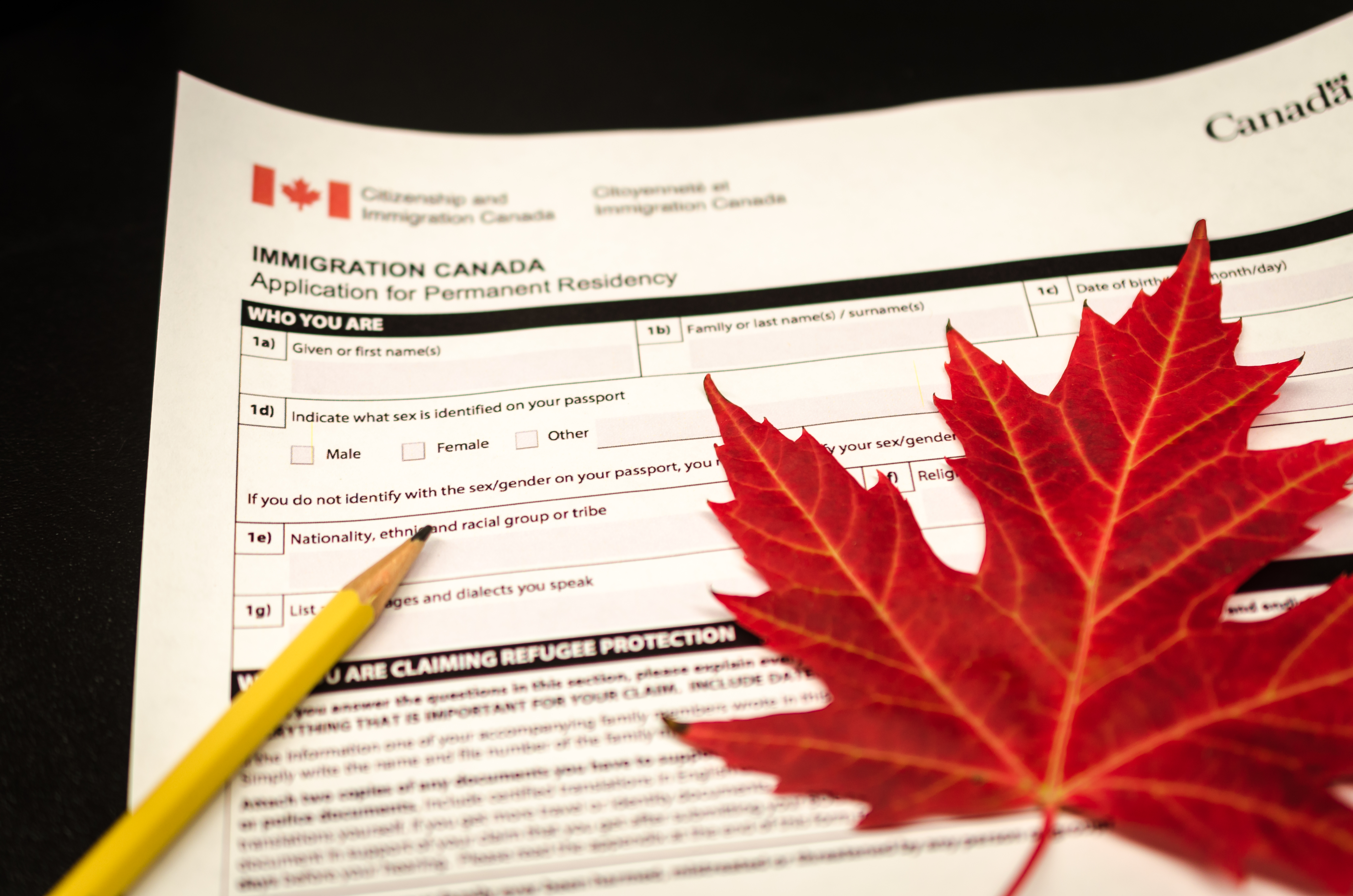
For 2025, IRCC has updated several aspects of the restoration process while maintaining the core 90-day rule.
Who qualifies for restoration
You qualify for restoration if you previously held valid status in Canada as a visitor, worker, or student, and are applying within 90 days of your status expiring. The 2025 rules maintain these basic eligibility requirements.
Foreign nationals who entered Canada legally but failed to extend or change their status before expiry can apply. This includes those who forgot to extend their stay, misunderstood the rules, or had application problems.
You must still be pursuing the same type of activities you were authorized for previously. For example, if you were a student, you should be continuing studies; if a worker, you should have ongoing employment.
The 2025 guidelines clarify that you must have followed all conditions of your previous permit. If you violated conditions—like working when not authorized or studying at a non-approved institution—restoration may be refused even within the 90-day window.
How the 90-day period is calculated
The 90-day clock starts the day after your status expires. For example, if your work permit expired on March 15, 2025, day one of your restoration period is March 16, and your deadline is June 13, 2025.
IRCC counts calendar days, not business days. Weekends and holidays are included in the 90-day period. This hasn't changed for 2025, but the enforcement of this rule has become stricter.
The 2025 guidelines emphasize that the online submission timestamp is what counts. If you submit at 11:59 PM on the 90th day, you're still within the window. But if the system records your submission at 12:01 AM on day 91, you're too late.
For paper applications (not recommended), IRCC uses the postmark date to determine if you met the deadline. Mail delays won't be considered, so online submission is strongly preferred.
Documents and fees required
The basic restoration fee remains $200 for 2025, plus the regular fee for the permit you're requesting. All fees must be paid at the time of application.
You must include a completed application for the type of permit you want to restore to (visitor, worker, or student). The 2025 forms have been updated, so make sure you're using the latest versions from the IRCC website.
A detailed letter explaining why you failed to maintain status is mandatory. The 2025 guidelines place greater emphasis on this explanation, with clear instructions to explain whether the lapse was beyond your control.
Supporting documents depend on the type of permit you're seeking. For work permits: job offer, LMIA if required, proof of qualifications. For study permits: acceptance letter, proof of financial support. For visitor records: proof of funds, travel insurance, ties to home country.
Common reasons restoration is refused
Failure to demonstrate that you meet the requirements for the permit you're seeking is the top reason for refusal. This hasn't changed in 2025, but scrutiny has increased.
Missing or incomplete explanations for why you failed to maintain status now lead to automatic refusals under the 2025 guidelines. IRCC wants to see accountability and honest explanations.
Evidence of working or studying without authorization during your period of expired status will almost certainly lead to refusal. The 2025 rules explicitly state that unauthorized work or study during the restoration period is grounds for refusal.
Previous immigration violations have become a stronger factor in 2025. If you have a history of status violations in Canada or other countries, restoration is less likely to be approved even if you meet all other requirements.
Security and criminality concerns remain absolute barriers to restoration. Any criminal activity, misrepresentation, or security concerns will result in refusal.
If You Are Still Within 90 Days
The first 90 days after your status expires represent your window of opportunity—don't waste a single day.
How to submit a restoration application
Log in to your IRCC online account immediately. If you don't have one, create it now. Online applications are processed faster and provide confirmation of receipt.
Select the restoration option and complete both the restoration form and the application for your desired permit. The system will guide you through required fields and document uploads.
Prepare a clear explanation letter detailing why you failed to maintain status. Be truthful and specific. "I forgot" is weak; "I misunderstood the expiry date because..." is better. If illness or emergency was involved, provide medical records or other evidence.
Scan and upload all supporting documents in the format specified by IRCC. Make sure files are clear and complete. Label each document clearly according to IRCC guidelines.
Pay all fees using a credit card. Double-check the amount before submitting. A payment error can cause the entire application to be returned, wasting precious days.
After submission, print the confirmation page for your records. Note your application number. Check your account regularly for messages from IRCC, which may request additional information.
Requirements for workers, students, and visitors
Workers need a valid job offer from an eligible employer. If your original work permit required an LMIA, you'll likely need a new one unless you qualify for an exemption. Include a letter from your employer confirming your position, salary, and job duties.
Students must have a valid acceptance letter from a designated learning institution (DLI). You'll also need proof of financial support showing you can pay tuition and living expenses. If your study gap was longer than 150 days, explain why.
Visitors need to show financial means to support their stay, a clear plan for their visit, and strong ties to their home country proving they'll leave Canada when their new status expires. Health insurance coverage is strongly recommended.
All applicants must show they've maintained the conditions of their previous permit before it expired. This includes not working without authorization, not studying at non-approved institutions, and not violating any specific conditions listed on your previous permit.
What to do if you have missing documents
If key documents are unavailable, submit what you have along with a detailed explanation of what's missing and why. The priority is filing within the 90-day window.
For missing employer documents, include your employment contract, recent pay stubs, and any correspondence with your employer about the new letter. Follow up with the complete letter when available.
If school documents are delayed, include your previous acceptance letter, transcripts, and proof of tuition payment. Email the admissions office for an urgent temporary confirmation letter.
For missing identity documents, include alternate ID and proof you've applied for replacement documents. Never submit fraudulent documents as a substitute—this creates much bigger problems.
If required medical exams can't be completed in time, book the appointment and include the confirmation with your application. Explain when results will be available.
Whether you can remain in Canada while waiting
Yes, you can legally stay in Canada while your restoration application is being processed. This is called "maintained status," different from the "implied status" you would have had if you'd applied before expiry.
During this waiting period, you cannot work or study unless specifically authorized. Many applicants misunderstand this point. Even if you're restoring a work permit, you cannot work until the new permit is approved.
You should not travel outside Canada while waiting for restoration. Leaving Canada during this period is considered abandonment of your application, and you'll likely be refused entry when trying to return.
If your application is approved, you'll receive a new permit with a new expiry date. If refused, you'll receive a letter explaining why, and you'll need to leave Canada immediately or face removal proceedings.
The processing time varies but typically takes 30-90 days. During this time, keep your contact information updated in your IRCC account and check regularly for messages requiring action.
If You Are Past 90 Days (Serious Situations)
Once you pass the 90-day restoration window, your options become more limited — but not fully closed. It is critical to understand what pathways still exist and when urgent legal support is needed.
What Options Remain After 90 Days?
✔ Temporary Resident Permit (TRP)
A TRP may allow you to stay in Canada even after losing status, but only in exceptional cases.
You must show:
A compelling reason to remain in Canada
Evidence that the benefits of allowing you to stay outweigh any risk
Strong documentation and humanitarian reasons
TRPs are discretionary and require a well-drafted submission.
✔ Refugee Claim (If You Fear Returning Home)
If you fear persecution, violence, torture, or harm in your home country, you may qualify to make a refugee claim from inside Canada—even without status.
You may be eligible if returning home would put you at risk due to:
Political opinion
Sexual orientation or gender identity
Religion
Ethnicity
Domestic violence
War or generalized violence
Being targeted by non-state actors the government cannot protect you from
Expired status does not prevent you from making a refugee claim.
✔ Humanitarian & Compassionate (H&C) Considerations
An H&C application may be possible if you have:
Deep establishment in Canada
Medical issues
Children who would face hardship if removed
Strong community ties
Hardship in your home country
H&C is not a quick fix, but it can be a long-term solution in complex situations.
When Legal Representation Is Strongly Recommended
If you are past 90 days, you should not navigate this alone.
Get an RCIC-IRB or legal representative immediately if:
You fear removal
You are considering a TRP
You plan to file a refugee claim
You have past refusals or misrepresentation issues
You worked or studied without authorization
You have dependents who rely on your status
These cases require experienced advocacy and precise documentation.
Can You Work or Study After Your Status Expires?
✔ IRCC Rules Are Clear
Once your status expires:
You must stop working immediately
You must stop studying immediately
Your Social Insurance Number becomes invalid for employment
Your employer must stop scheduling you
Working or studying without authorization is a serious IRCC violation.
Penalties for Unauthorized Work
Unauthorized work can lead to:
Refusal of future applications
Loss of eligibility for restoration
Exclusion orders
Long-term immigration consequences
IRCC does check work history, ROE records, and payroll slips—so hiding it is not a solution.
How to Explain Unauthorized Work to IRCC
If you worked after losing status, it is critical to:
Be honest (never hide it—IRCC will find out)
Provide a clear explanation
Show that the work was due to misunderstanding or hardship
Include supporting documents (e.g., timelines, communication with employer)
A well-written submission from an RCIC-IRB can prevent long-term damage.
When to Consider a Refugee Claim
You may consider a refugee claim if returning to your home country places you at risk of serious harm.
Who Qualifies?
You may qualify if you fear:
Persecution
Violence or threats
Domestic abuse the police cannot stop
War or armed conflict
Criminal gangs, militias, or extremists
Discrimination tied to identity or beliefs
Expired status does not stop you from filing a refugee claim.
Misconceptions About Refugee Claims
❌ “You need to have status to apply.”
Wrong. Many claims are made by out-of-status individuals.
❌ “Expired status increases refusal chances.”
Not if your claim is truthful and well-supported.
❌ “It’s just another way to stay.”
A refugee claim is for genuine fear of harm, not immigration convenience.
How Refugee Claims Interact With Expired Status
If you file a refugee claim:
Removal is paused while your claim is processed
You may receive eligibility for a work permit
You are protected under Canadian and international law
However, making a weak or unsupported claim can harm your situation—get professional advice first.
Common Mistakes to Avoid
Many people lose their chance to stay in Canada because of avoidable errors.
❌ Waiting Until the Last Minute
Do not wait for 30, 60, or 89 days.
IRCC looks at intent and timelines.
❌ Submitting the Wrong Form
Choosing “visitor record” instead of “restoration” leads to automatic refusal.
❌ Not Explaining Gaps
Every gap in status must be explained clearly and truthfully.
❌ Assuming IRCC Will ‘Forgive’ the Delay
IRCC does not issue “mercy approvals.”
Everything must be supported with evidence.
❌ Leaving Canada Without Advice
Leaving Canada with expired status can:
Cancel your restoration options
Cause future refusals
Affect re-entry
Damage your immigration history
Always get legal advice before traveling.
When You Should Get Help From an RCIC-IRB
You should seek professional help immediately if you are dealing with:
✔ Complex timelines
Multiple expiry dates, different dependents, employer issues, or overlapping permits.
✔ Previous Refusals
IRCC will scrutinize your new application.
✔ Unauthorized Work or Study
Requires careful legal explanation.
✔ Refugee, TRP, or H&C Cases
These must be presented with strong evidence.
✔ High-Risk Situations
If CBSA has contacted you, or if you are worried about removal, do not delay.
An RCIC-IRB can help you avoid mistakes that cannot be fixed later.
Conclusion
Losing your status is frightening—but you are not alone, and you still have options.
Whether your permit is expiring soon, has already expired, or you are past 90 days, taking quick action is the most important step.
👉 Book a consultation with our licensed RCIC-IRB consultant today for help with extensions, restorations, or expired-status situations.
We will review your case, explain your options, and guide you toward the safest and most realistic pathway to remain in Canada legally.


